A paralysed man in China has controlled digital devices using only his mind, just five days after surgery.
The 28-year-old patient suffered a high-level spinal cord injury eight years ago, leaving him permanently paralysed.
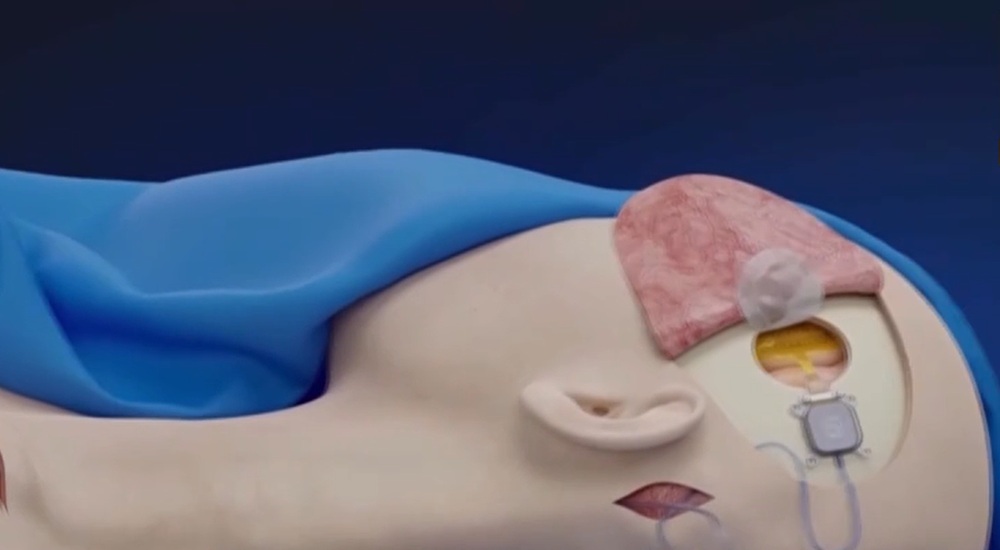
Doctors implanted a brain-computer interface, known as a BCI, during a clinical trial in Shanghai.
Within days, he could operate a wheelchair, browse the internet, play video games, and control smart home devices.
The trial marks China’s first fully implanted, fully wireless, and fully functional brain-computer interface system.
BCI technology links brain signals to external devices, allowing users to act through thought alone.
Professor Mao Ying from Huashan Hospital confirmed the patient regained control over several daily activities.
He said the system allows independent movement and device control without physical effort.
The device was developed by Shanghai-based company NeuroXess.
It uses 64 ultra-thin electrodes, each far thinner than a human hair, reducing damage to brain tissue.
The electrodes sit inside the brain, while the battery and processor are placed under the chest skin.
A wireless charging dock powers the implant, allowing independent and continuous daily use.
Neuroscientist Zhang Xu said long-term power supply is vital for real-world medical use.
Six weeks after surgery, the patient showed improved accuracy and stability when controlling devices.
Experts say the technology could help millions of paralysed people worldwide regain independence.
Similar trials are underway elsewhere, including Elon Musk’s Neuralink project in the United States.
Neuralink recently showed a paralysed patient controlling a robotic arm using only his thoughts.
Musk said thousands have applied to join future trials, highlighting growing global interest in brain implants.