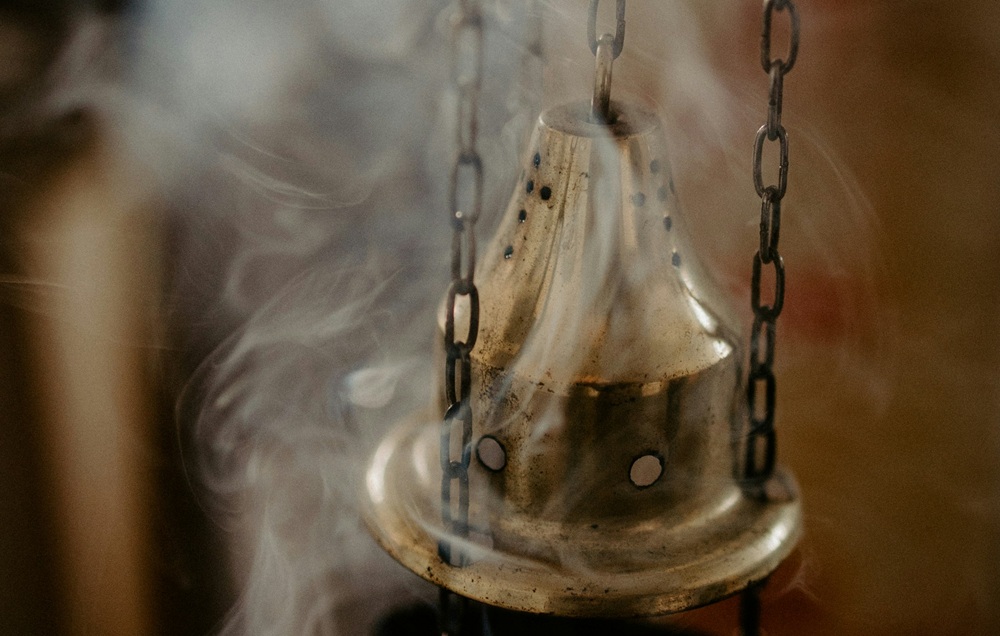
Frankincense, a scent linked to faith and wellness, is facing a global supply crisis only days old. The precious resin is rising in demand, but its natural source is under severe pressure.
In Somaliland, harvester Salaban Salad Muse depends entirely on frankincense for survival. He spends months camping near Boswellia trees, caring for land owned by his family for generations.
These trees now face decline, threatening jobs, traditions and global supply chains. Frankincense comes from Boswellia trees, found mainly in the Horn of Africa. The resin is tapped from tree bark, then left to harden into “tears”.
Traditionally, tapping was careful and limited, allowing trees to recover. Today, many trees are over-tapped due to poverty and rising global demand. Experts say damaged trees may need ten years to recover, if they survive.
Climate change, pests and grazing animals are worsening the damage. Studies show some Boswellia species are failing to regenerate across Ethiopia and Sudan. Researchers warn global frankincense output could halve within 20 years.
Meanwhile, harvesters earn as little as 3% of the final market price. Middlemen dominate trade, while weak regulation leaves farmers exposed. Global buyers may pay £75 per kilogram, while farmers receive under £4. The market was worth £271m in 2023 and is set to double by 2032.
New digital tools now aim to track resin and protect tree health. Pilot projects in Somaliland show promise but remain limited. Campaigners say churches and wellness brands must demand sustainable sourcing now.
